Martin Scorsese once said, “Cinema is everything inside the frame and everything outside it.”
In my opinion, this phrase can be interpreted in two ways:
When I presented it in the film composition workshop for the Master’s program in Computer Graphics, the meaning referred to the full and empty spaces within a shot.
The director, the cinematographer, and their entire crew constantly play with shapes, shadows, and spaces to convey a specific emotion to the viewer. It is precisely about “composing” a frame with elements that help the eye interpret the image—what is present, but above all, what is NOT present.
And if you’re curious, the internet is full of videos and articles that break down a film frame by frame, highlighting the director’s ability to tell stories on multiple levels—not just through the acting.
Then there’s another way to interpret this quote. The more romantic one, the one that captures the vast yet intimate world of cinema before the projector in the theater is turned on.
A world made up of crew members, of people who work hard for months to be ready for that moment—that single instant captured by a frame (or a sensor) larger than a button and smaller than a credit card.
Movies aren’t theater. Sure, there can be major similarities: the actors, the director, the crew, the set designers, the costume designers, and so on. But everyone works to ensure that the result is visible during a one-, two-, or three-hour performance, from any seat in the theater.
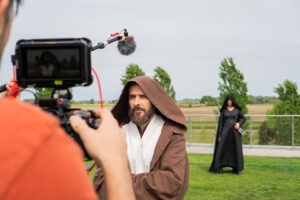
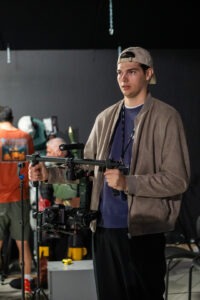
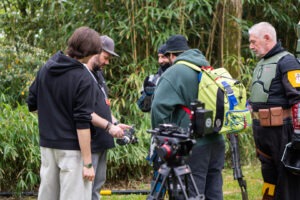
In cinema, if we think about it, everything takes place only in front of the camera. Everything that is part of the story—the actors, the costumes, the sets—is contained within a small rectangle, between “action” and “cut.” What happens behind the camera, before and after, does not exist; it is not recorded. But it is equally important.
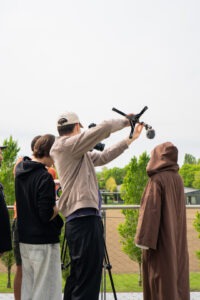
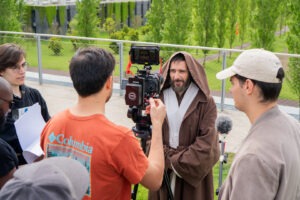
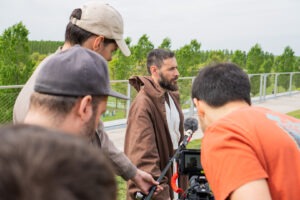
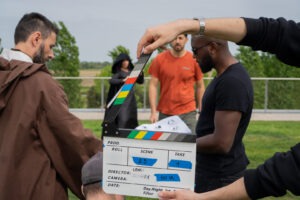
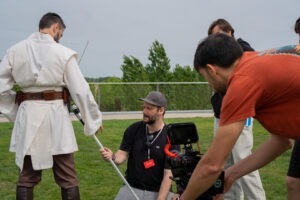
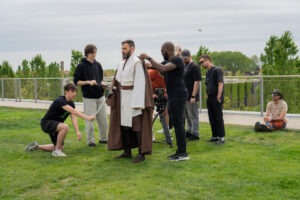
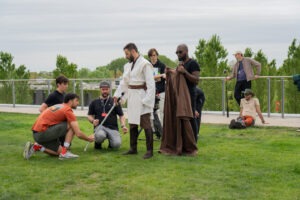
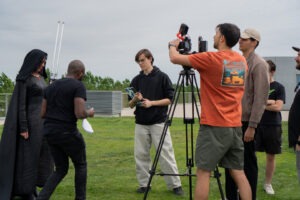
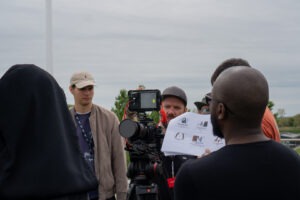
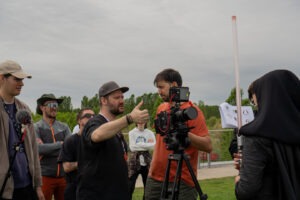
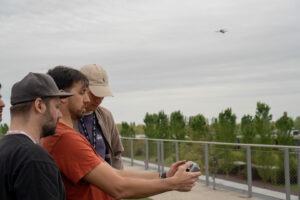
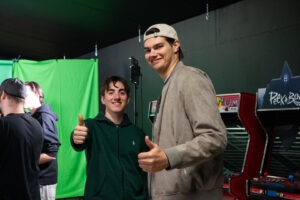
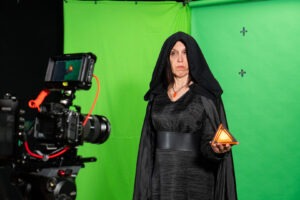
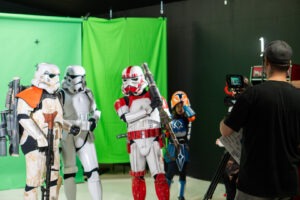
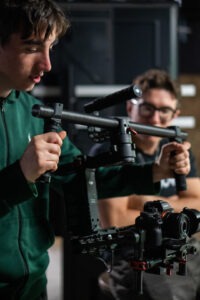
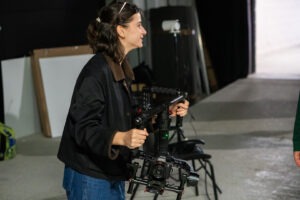
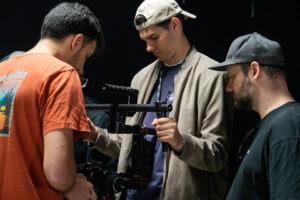
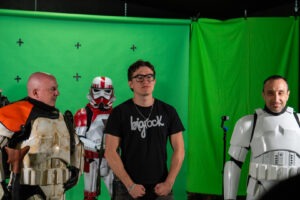
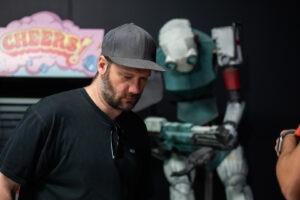
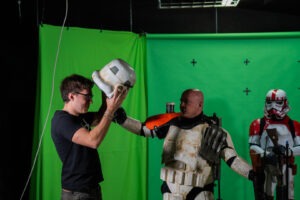
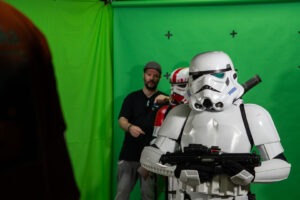
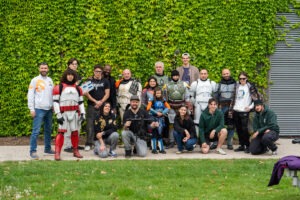
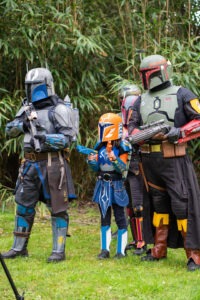
Last week, we had a blast shooting a short film based on a Star Wars-themed story. We did it by collaborating with a group of cosplayers from the world created by Lucas. Each of them wore their own armor and costumes, carefully crafted—perhaps not specifically to appear on camera, but that’s how we like to think of it.
The reason? We want our students to be able to test what they’ve learned about VFX compositing by working on original footage, not footage downloaded from the internet like thousands of their peers. We want them to realize what it means to work well during the shooting phase to avoid serious problems in post-production. We want them to get used to working with material that doesn’t necessarily come from multimillion-dollar productions.
But above all, we want them to get involved, to experience the magic behind the camera, and to understand how wonderful it is to see how the teamwork of so many people can tell a story on that little screen—bigger than a button and smaller than a credit card—between “action” and “cut.”