H-FARM University now has more than 1,000 students and is organized into three departments. The new campus builds on BigRock’s two decades of experience and expands the range of bachelor’s and master’s degree programs.
H-FARM College continues to grow and announces the launch of the Department of Creativity, Arts & Design, a new academic division dedicated to design, digital arts, and creative production. With this development, the College’s academic offerings are now organized into three departments: Business & Management, Innovation & Technology, and Creativity, Arts & Design, bringing together entrepreneurial, technological, and creative skills within a single educational program.
Now in its ninth year of operation, with over 1,200 students enrolled for the 2026–27 academic year and a positive EBITDA for the most recent fiscal year, H-FARM College is thus consolidating its growth trajectory. The new three-department structure aims to further strengthen the integration of different disciplines, creating new opportunities for collaboration and cross-pollination among students from diverse backgrounds and fields of study.
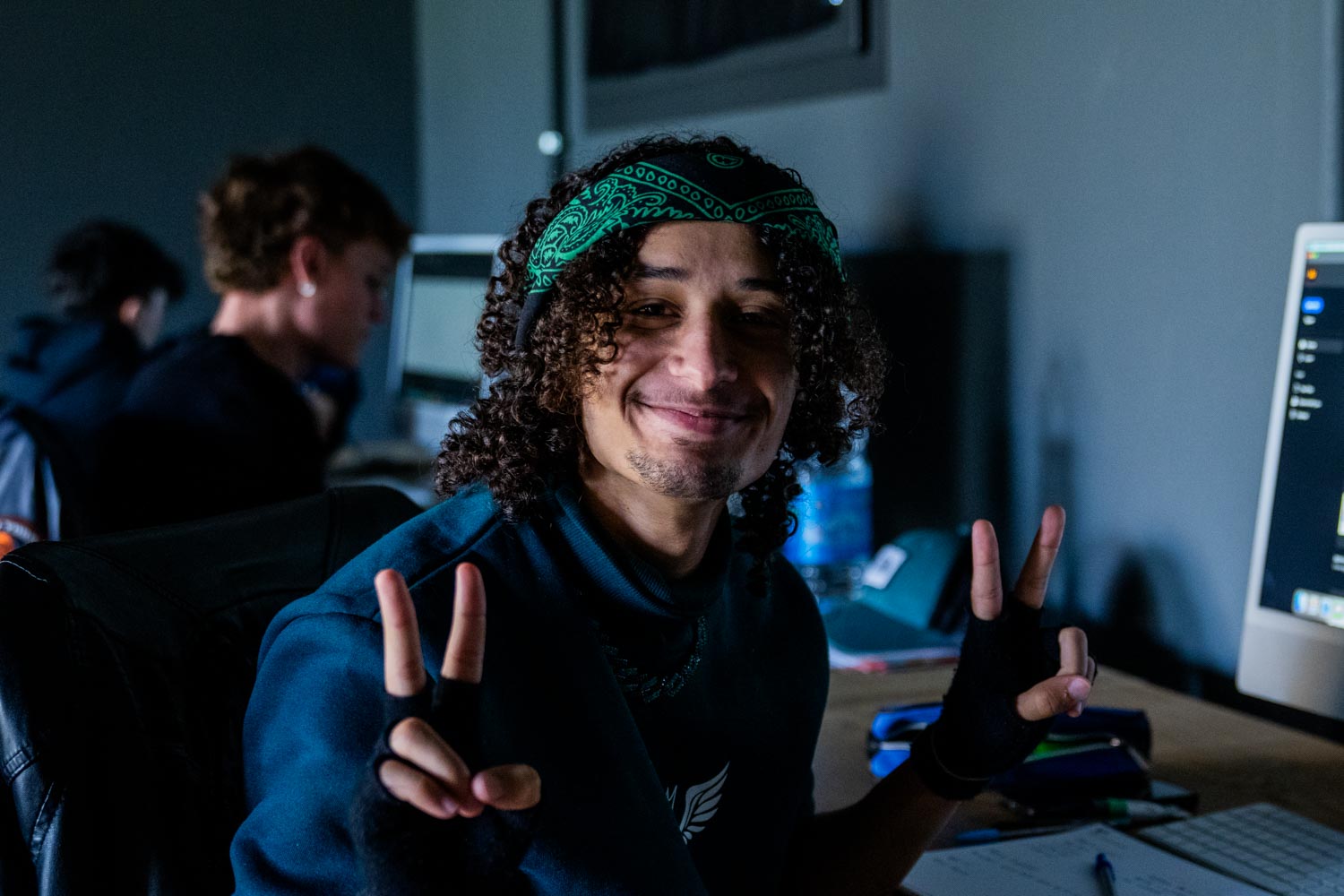
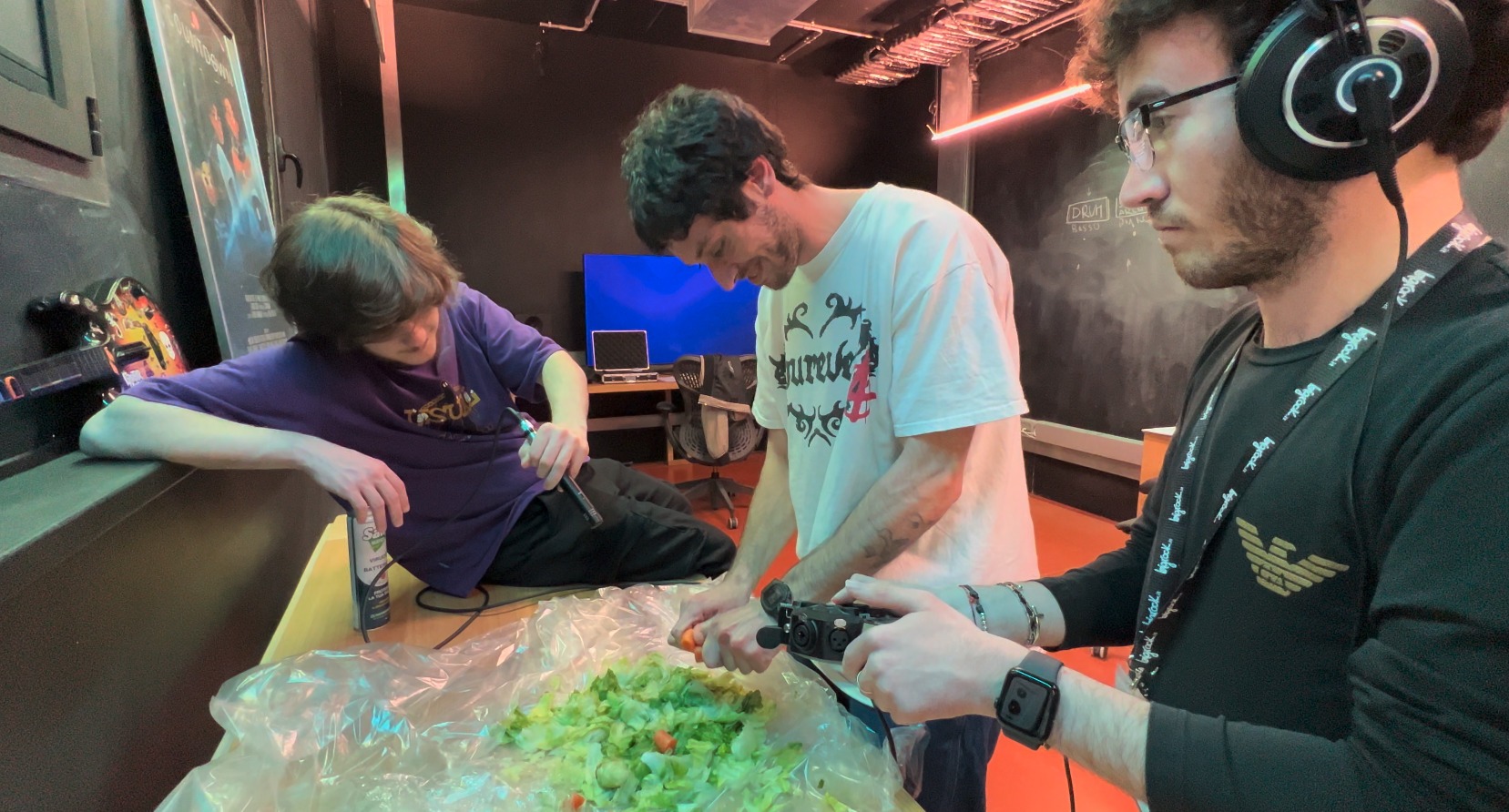
The Department of Creativity, Arts & Design was created through the integration of BigRock into H-FARM College. Already part of H-FARM, the school of digital arts has trained more than 3,000 professionals since 2005 and now brings twenty years of experience and expertise in design, digital arts, and creative production to the College. The program offerings are expanding with three new three-year bachelor’s degrees and three Master of Arts programs, focusing on digital design and visual arts, game design, product design, communication and artificial intelligence, fashion and creative technologies, and film and animation.
The College’s academic program thus covers a broad spectrum of skills required by today’s job market: from business management and entrepreneurship to artificial intelligence and software development, all the way to design and creative production, while maintaining the same educational approach across all programs.
H-FARM College’s educational model combines technical and soft skills with a strong emphasis on hands-on learning, enabling students to engage with businesses starting in their first year through real-world projects and a network of over 500 partner companies. Added to this is the startup mindset that has characterized H-FARM since its founding: each program culminates in a corporate internship or the development of a business project at H-FARM’s Startup Center.
“With the integration of BigRock, we are entering a new educational area—Creativity, Arts & Design—incorporating into our model a principle that has distinguished this school for twenty years: imagination comes before technology. Before moving on to digital production, we build a solid creative and aesthetic foundation through drawing, photography, color, materials, sculpture, writing, and visual research, honing students’ ability to see, imagine, and make choices,” says Antonella Sannella, Managing Director of H-FARM College.
“It may seem like a counterintuitive choice, but we believe that it is precisely these foundations that allow technology to amplify ideas, without replacing or trivializing them. After all, the ‘H’ in H-FARM stands for ‘Human’: for us, the future begins when technology enhances what makes us profoundly human—imagination, sensitivity, thought, and the ability to give meaning.”
H-FARM
H-FARM was founded in 2005 to promote a culture of innovation and guide the younger generations and businesses through the major transformations of our time. For over twenty years, it has been growing by bringing together diverse communities with the goal of building a virtuous ecosystem where education, business, and entrepreneurship converge and influence one another, connecting students, professionals, companies, and startups. The H-FARM Campus, nestled in a green setting just a short walk from the Venice Lagoon, now spans over 100 hectares, half of which are part of a development plan designed to host and support new initiatives.